23rd strongest economy in the world in terms of GDP
Similar to other European countries, high inflation of around 14%
A strong player in trade with the Czech Republic (record value of EUR 34.2 billion in 2022); preliminary results for 2023 indicate an even higher trade value for that year.
2 308 €
Average salary
3,2 %
Unemployment
87,64 %
Internet activity
310 %
GDP
Notification and registration of dietary supplements
In Poland, notification of dietary supplements before placing them on the market is mandatory and is overseen by the Chief Sanitary Inspectorate (GIS). The Chief Sanitary Inspector issues confirmation of receipt of the notification within 14 days to 6 months.
Notification fee: notification is free of charge
Required label language: Polish
E-commerce
Poland is currently becoming increasingly open to online shopping, thanks to growing digital skills, especially among the younger generation. Online shopping is most prevalent in the fashion sector, which accounts for approximately 30% of the market. Price comparison websites such as Ceneo, Kelkoo, Skapiec, Okazje.info, Nokaut, Twenga, Plchoozen, Webkupiec, and Smartbay are also popular. The Polish online market also offers many online marketplaces. In addition to global giants such as Amazon, Aliexpress, and eBay, regional online marketplaces such as Allegro.pl and Empik.com are also popular in Poland. These platforms already have a stable customer base and can be a convenient entry point for new players in the Polish market.
58 000
Number of e-shops
75%
Online shoppers
16%
Year-on-year growth of e-commerce
9,5%
Share of online purchases in retail
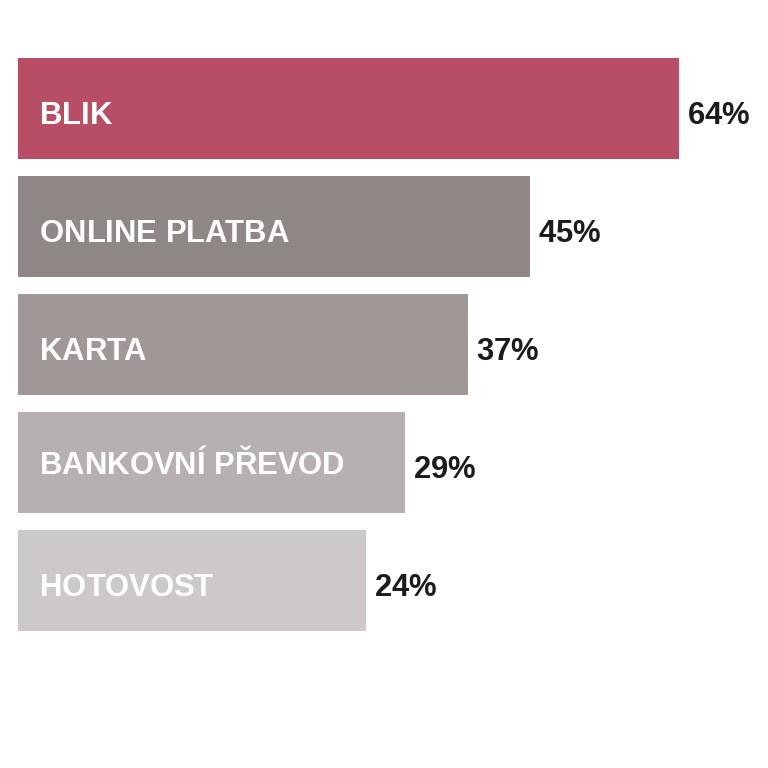
Payment methods
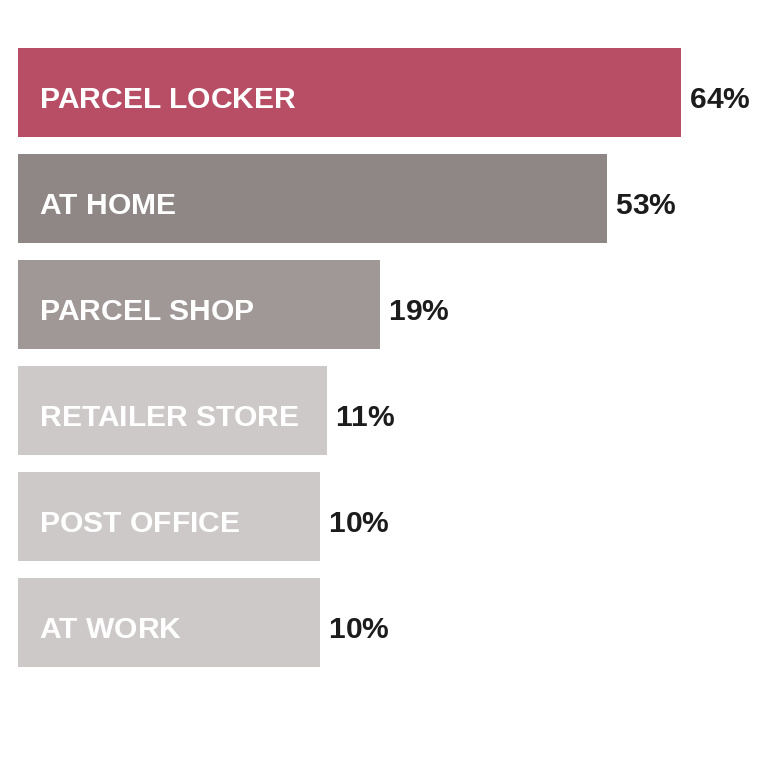
Delivery methods
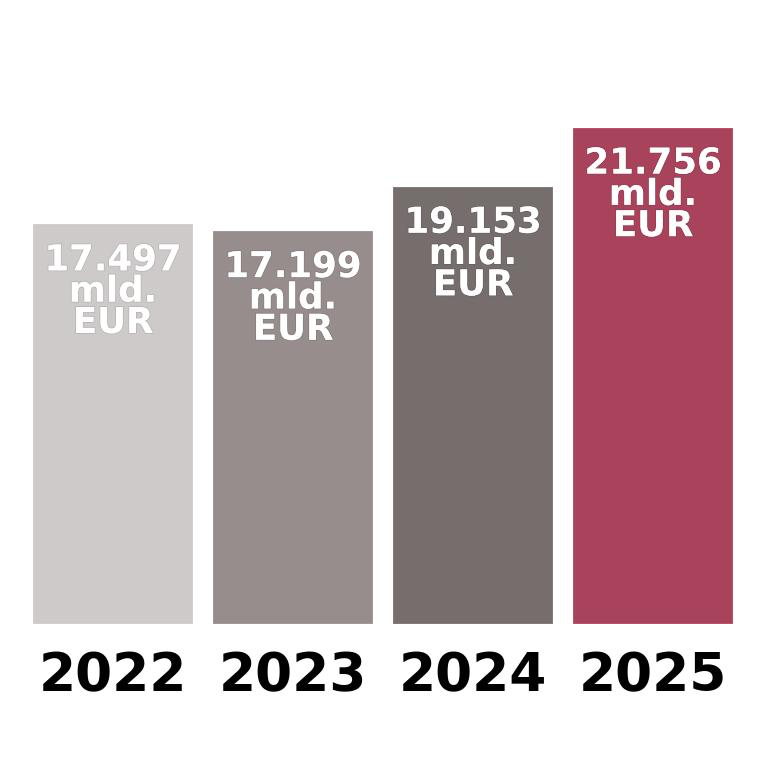
Turnover of e-commerce
Healthy products in e-commerce
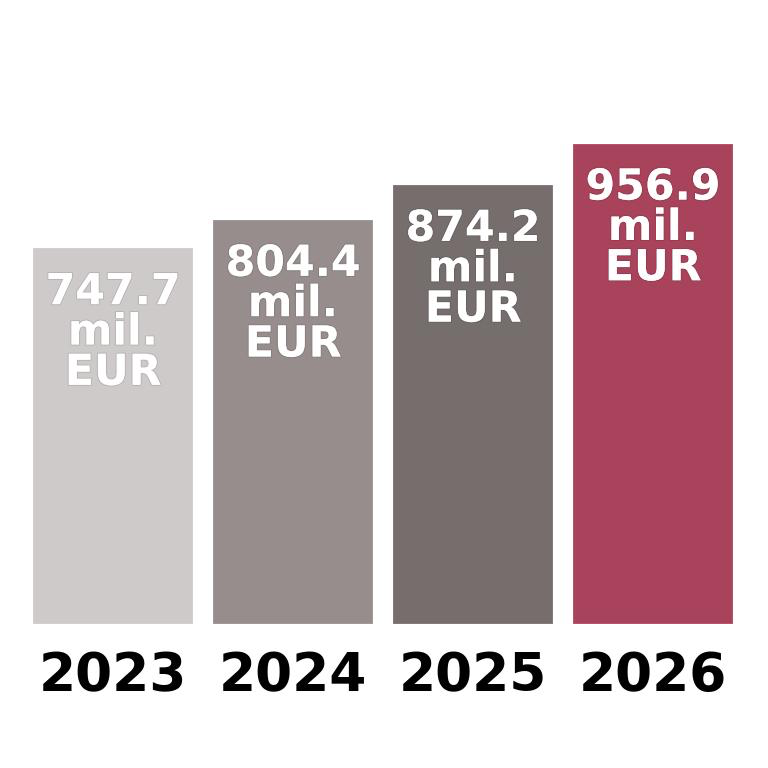
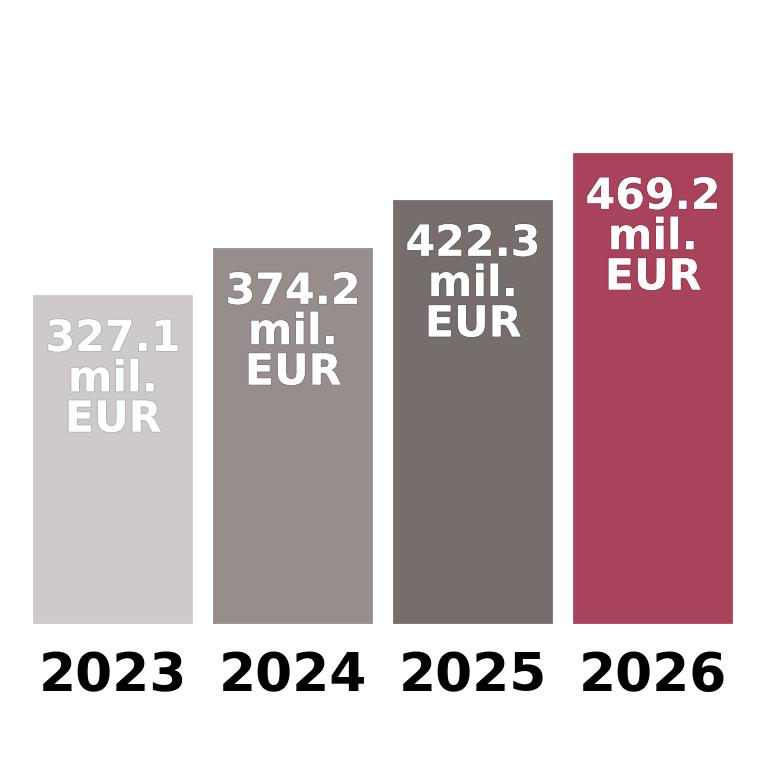
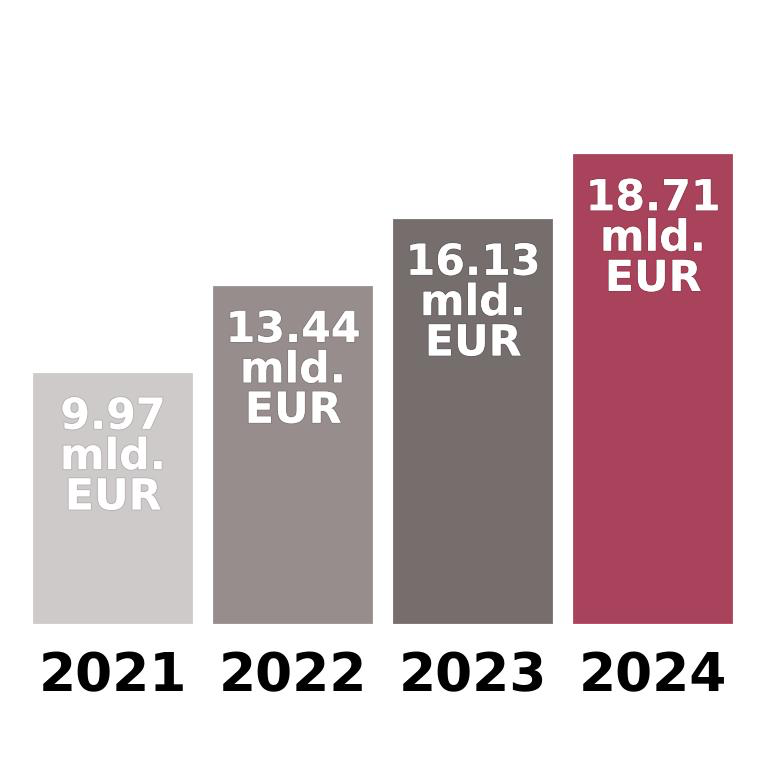
Interest in healthy products in Poland continues to grow, as can be seen in the following two graphs, which show sales of dietary supplements and organic foods.
Dietary supplements are most often purchased by customers for the following reasons: prevention (up to 50%), addressing specific weaknesses (40%), improving skin and hair condition (24%), on the recommendation of a doctor (24%), fighting disease (13%), supporting athletic performance (13%), supplementing insufficient vitamin and mineral intake (12%), or weight loss (10%).
Turnover of dietary supplements
Turnover of dermocosmetics
Turnover of food
VAT rates
8 %
Dietary supplements
23 %
Cosmetics
5 %
Organic food
Contact us
Need legal assistance entering a market with your food supplements?